
28th October 2026
World Diabetes Day 2026
World Diabetes Day is held annually on the 14th November. The theme for this year’s campaign is “Early Action on Diabetes”, highlighting the importance of early diagnosis and reducing the risk of developing type 2 diabetes.
The global prevalence of diabetes is increasing, and the International Diabetes Federation estimates that by 2050 there could be 853 million people living with diabetes worldwide.
Recent research from Diabetes UK suggests that one in five adults in the UK live with diabetes or prediabetes.
Understanding Diabetes and Prediabetes
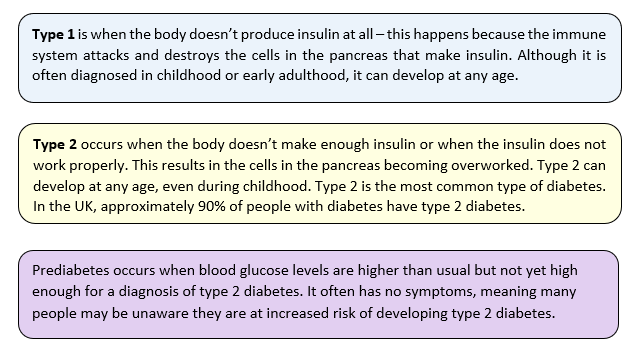
Diabetes is a condition that causes blood glucose (sugar) levels to become too high. The two main types of diabetes are type 1 and type 2.
Risk Factors for Type 2 Diabetes:
It is important to be aware of the risk factors associated with type 2 diabetes. Some risk factors for type 2 diabetes cannot be changed but others may be improved on. Risk factors may include:
- Age
- Family history of diabetes
- Ethnicity
- Certain medical conditions
- Unhealthy diet
- Low levels of physical activity
- Overweight/Obesity
Preventing Type 2 Diabetes
The good news is that many cases of type 2 diabetes can be prevented or delayed by making small, sustainable lifestyle changes.
You can reduce your risk of developing type 2 diabetes by:
- Eating well by following a balanced, healthy diet
- Moving more by increasing your physical activity levels and reducing the amount of time you spend sitting down
- Maintaining a healthy weight or seeking support with weight management, if needed
This World Diabetes Day, we encourage everyone to take some time to learn more about diabetes, understand their risk factors, and consider the small changes they could make that could make a big difference to their long-term health.
Further Information
You can visit the B Well site for more information on Eating Well.
If you would like more information and resources about diabetes, you can visit Diabetes UK or Diabetes – NHS.
If you are concerned about your health or your risk of developing diabetes, please speak to your GP or healthcare professional.